Patient Warming Systems: Why Temperature Management During Surgery Is So Important
- Operating room
Contents
Why Does Body Temperature Drop During Surgery?
During a surgical procedure, hypothermia can quickly occur, where the patient's body temperature falls below 36 degrees Celsius. This happens for several reasons:
a Anesthesia lowers body temperature:
General anesthesia impairs the body's temperature regulation. Normally, the central nervous system ensures that the body produces and maintains heat - under anesthesia, however, this ability is inhibited.
b Surgical environment is cool:
Operating rooms are often air-conditioned to 18-22 degrees Celsius to create optimal conditions for the medical team. For the patient, however, this means faster heat loss, especially when lying uncovered on the operating table for extended periods.
c Body openings increase heat loss:
Open body cavities during surgery promote heat loss to the environment. Large surgical fields or long procedures intensify this effect.
d Fluid administration can cool:
Infusions or irrigation solutions administered during surgery are often cooler than body temperature and can contribute to hypothermia.
Without countermeasures, critical hypothermia can occur within an hour - with far-reaching consequences for patient safety.
Consequences of Hypothermia in the OR
Inadequate temperature regulation can have serious effects on the patient:
a Increased risk of infection:
Cold patients have a weaker immune response, increasing the risk of wound infections and complications.
b Prolonged wound healing:
Hypothermia slows down blood circulation in the skin and tissue - this can delay healing and lead to poorer surgical outcomes.
c Increased risk of bleeding:
At cooler temperatures, blood clots more slowly, which can lead to increased bleeding and higher transfusion requirements.
d Longer recovery phase after surgery:
Hypothermic patients often need more time to wake up from anesthesia, which prolongs the stay in the recovery room and affects clinic workflow.
To avoid all these risks, modern hospitals use special patient warming systems that prevent or compensate for heat loss.
Solutions for Effective Temperature Management in the OR
To optimally protect patients from hypothermia, various active and passive warming methods are available. Inspital offers a wide portfolio of modern patient warming systems that are individually adapted to the needs in operating rooms.
- Warm air warming systems: These devices blow warm air into special warming blankets or mats that gently envelop the patient. They are particularly efficient as they warm the body surface evenly. Ideal for long operations, large surgical fields, and severely hypothermic patients.
- Warming gel mats and pads: These special mats are placed on the operating table and transfer constant heat to the body via controlled heating technology. Ideal for shorter procedures and surgeries with limited access to the body surface.
- Fluid warmers for infusions and irrigation solutions: Since infusion solutions are often significantly below body temperature, infusion warmers help bring fluids to a physiological temperature. Ideal for all surgeries with high fluid requirements.
- Prewarmed blankets and textiles: In addition to active heat sources, prewarmed surgical blankets can help maintain body temperature before and after surgery. Ideal for shorter surgeries and prevention of postoperative hypothermia.
These technologies enable targeted control of patients' body temperature and significantly reduce the risk of hypothermia complications.
Conclusion: Temperature Management as an Essential Component of Every Surgery
Temperature management in the OR is not a luxury, but a medical necessity. Modern patient warming systems not only prevent complications but also contribute to faster patient recovery.
💡 Why patient warming systems are indispensable:
✅ Reduce the risk of infections and wound healing disorders
✅ Minimize blood loss and lower transfusion requirements
✅ Shorten recovery times and improve clinical workflow
✅ Enhance patient comfort and surgical outcomes
With advanced patient warming systems, clinics can ensure optimal temperature control, not only saving lives but also improving the quality of treatment.
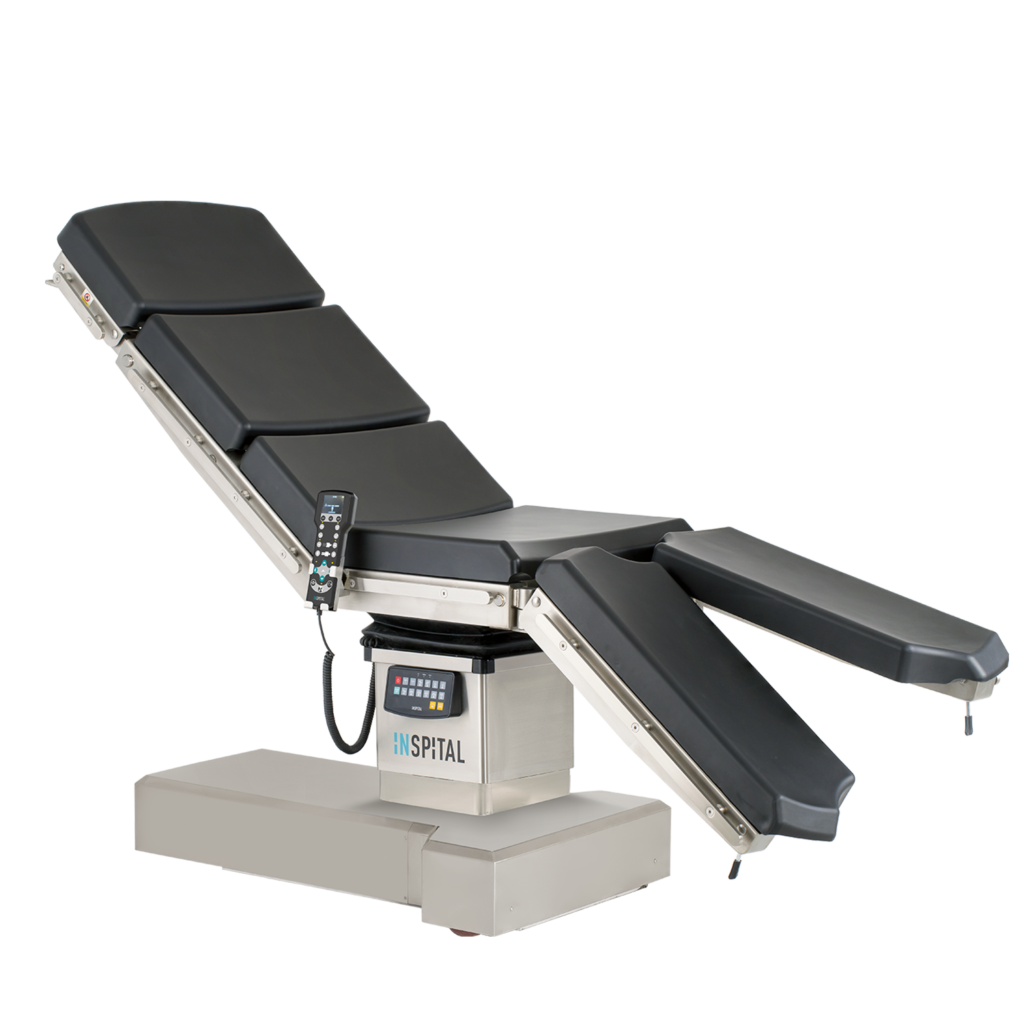
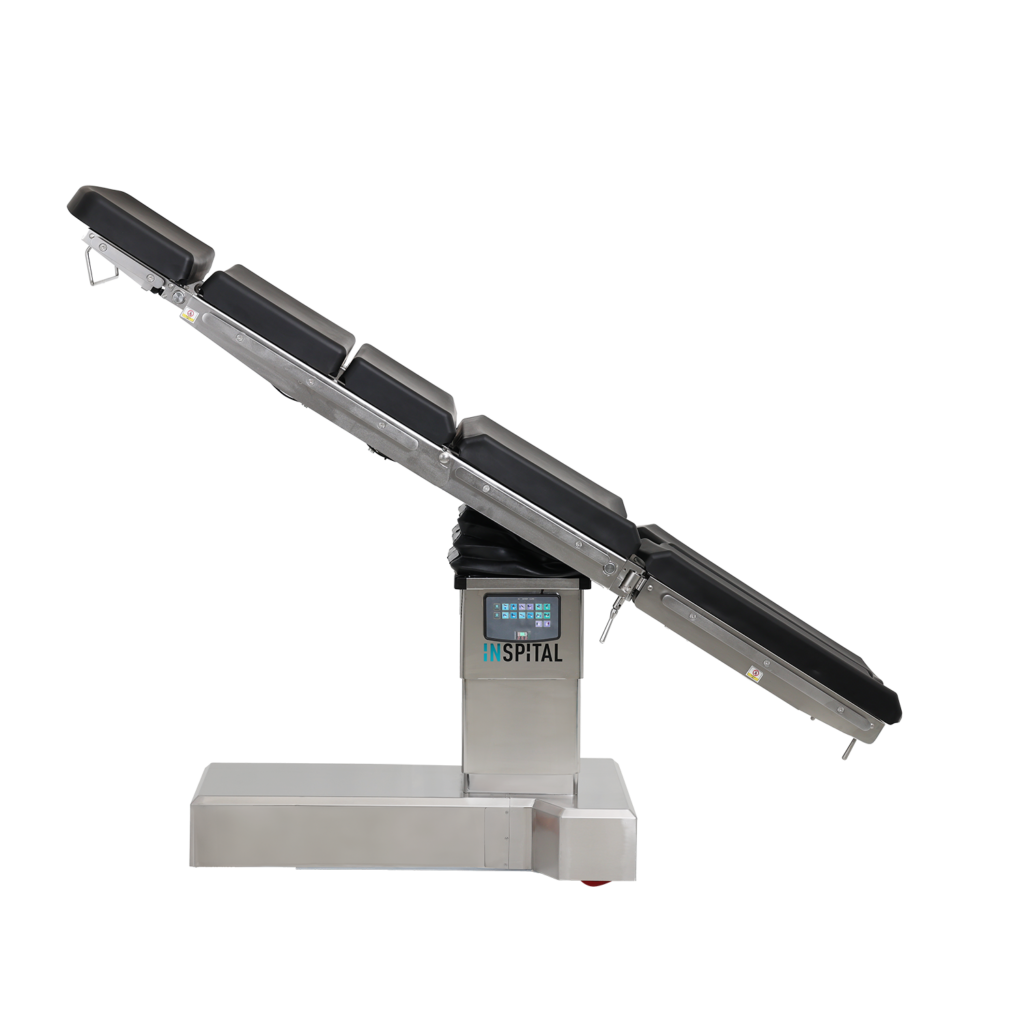
Operating Table OT80.20 NOVUS
Prices visible to registered customers onlySurgical Suction Unit SU60.05
Prices visible to registered customers onlySurgical Suction Unit SU60.10
Prices visible to registered customers onlyPortable Suction Unit SU60.06T
Prices visible to registered customers onlyCurrent News
News Press
Here you will find current news about trade fairs, congresses, PR and other relevant topics.