Mobile operating tables: More flexibility in the operating room – advantages, areas of application, and differences from stationary operating tables.

Share Article:
Modern operating rooms are highly complex work environments where efficiency, ergonomics, and patient safety are top priorities. Operating tables play a central role, not only ensuring patient comfort but also influencing the work methods of the surgical team. Mobile operating tables, in particular, offer high flexibility and are a sensible alternative to stationary operating tables in many medical fields. But what are the differences, and what advantages do mobile operating tables offer in daily clinical practice?

Contents

What are mobile operating tables?

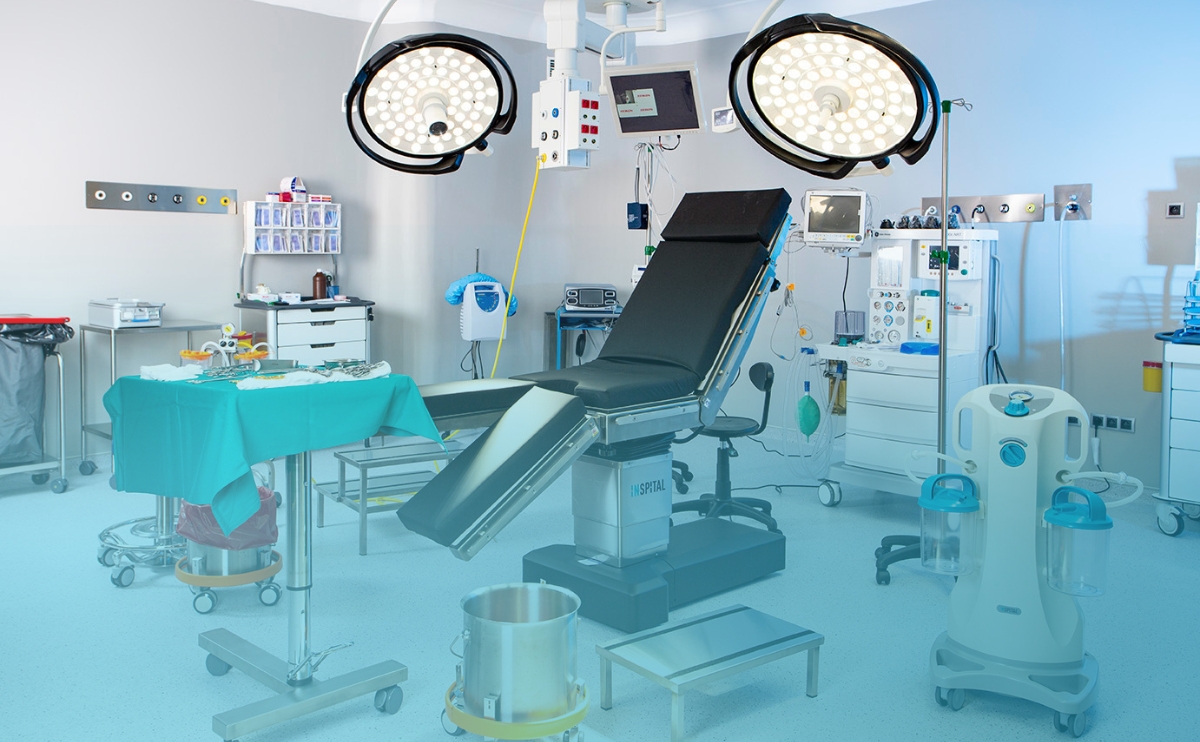
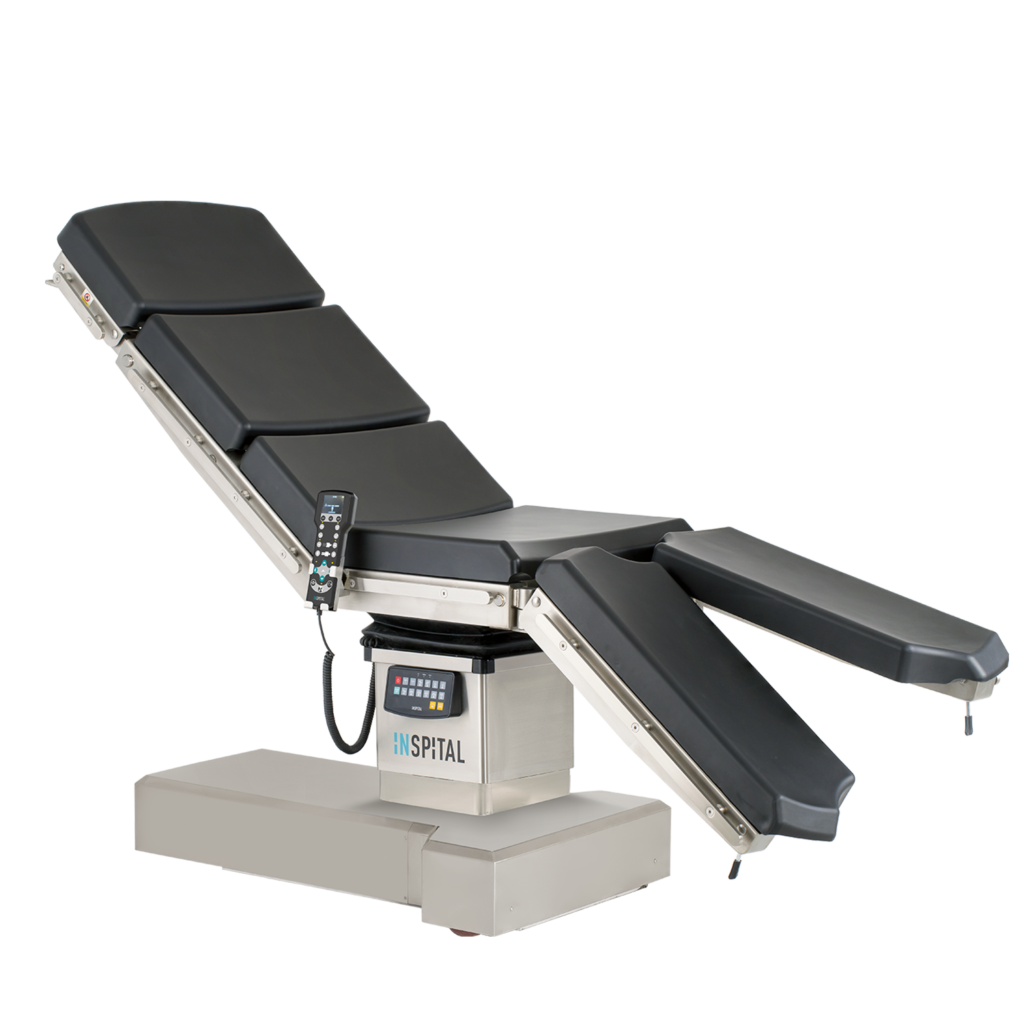
Mobile operating tables are surgical tables equipped with robust, lockable wheels that can be moved within the operating room or between different operating rooms. They offer a variety of adjustment options for different surgical procedures and are often modular in design to cover various specialties. Depending on the model, they can also be equipped with various accessories such as leg holders, arm supports, or special cushions to ensure optimal patient positioning.

Advantages of mobile operating tables

1 High flexibility and mobility

Unlike stationary operating tables, mobile models can be easily transported within the hospital and used in different operating rooms. This is particularly advantageous in emergency situations or when operating room capacity is limited. They also allow for flexible use of space, as they can be moved to other areas when not in use.

2 Versatility for different specialties

Mobile operating tables are often equipped with interchangeable segments that make them adaptable for various disciplines such as general surgery, orthopedics, gynecology, or neurosurgery. This reduces the need to acquire multiple specialized operating tables and allows for more efficient use of available resources.

3 Optimization of workflows

Thanks to their mobility, patients can be prepared on the operating table and then directly moved into the operating room. This shortens changeover times between procedures and increases efficiency in the operating area. This feature is particularly beneficial in intensively used hospitals or outpatient surgical centers, significantly optimizing workflows.

4 Easy cleaning and disinfection

Modern mobile operating tables are made of hygienic materials such as stainless steel and specially coated surfaces that allow for quick and effective cleaning. Many models are also resistant to disinfectants, ensuring high infection control. This helps minimize the risk of hospital-acquired infections and ensures compliance with strict hygiene regulations.

5 Integration into modern medical technology

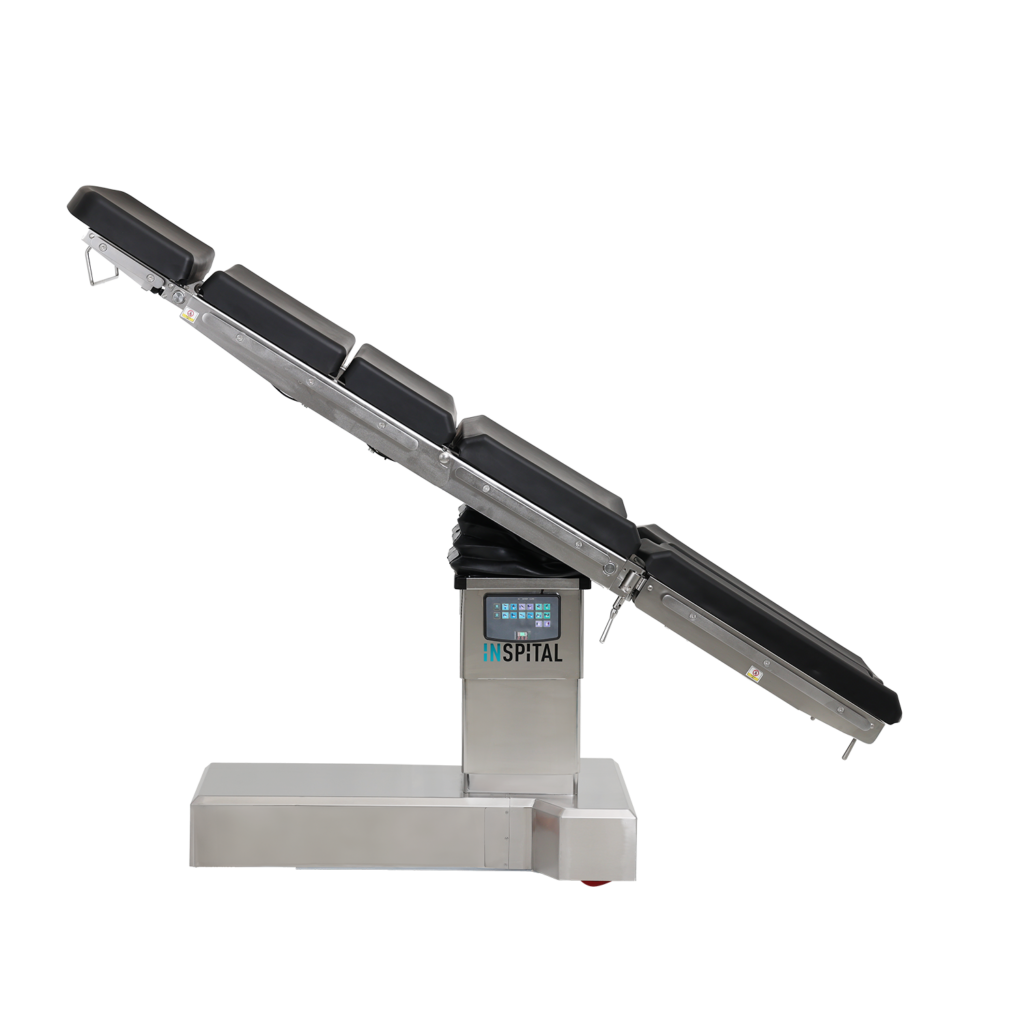
High-quality mobile operating tables are equipped with electrohydraulic or electric control systems that allow precise adjustment of table height, tilt, and positioning. This improves ergonomics for medical staff and reduces physical strain during long procedures. Some models can also be coupled with imaging systems or navigation devices, which is particularly advantageous in minimally invasive surgery.

Differences from stationary operating tables

Feature

Mobile operating tables

Stationary operating tables

Mobility

Movable, transportable

Permanently installed in the operating room

Area of application

Versatile, usable for various operations

Usually specialized for a specific discipline

Adaptability

Modular, flexibly adjustable

Often complex configuration for specific procedures

Space requirement

Space-saving, can be removed from the operating room

Permanent installation in the operating room

Integration into operating room technology

Modern models with electrohydraulic controls

Usually more extensive integration into operating room systems

Cost-benefit ratio

More efficient due to multifunctional usability

Higher investment required for specialized models

Areas of application for mobile operating tables

Mobile operating tables are used in many areas of healthcare, including:

  • General and emergency surgery → Quickly adaptable for various procedures.
  • Outpatient surgical centers → Ideal for changing surgical disciplines without fixed operating room structures.
  • Orthopedic procedures → Models with special accessories for fixing and positioning extremities.
  • Gynecology Urology → Adjustable leg supports and ergonomic positioning options for pelvic procedures.
  • Neurosurgery → Precise patient positioning through finely adjustable head and torso supports.
  • Military and Disaster Operations → Mobile solutions for field hospitals and emergency teams that need to be operational in various environments.

Conclusion: The Right Choice for the Operating Room

Mobile operating tables offer hospitals and surgical facilities maximum flexibility, improved workflows, and versatile application possibilities. Due to their mobility, modularity, and easy cleaning, they represent a sensible addition or even alternative to stationary operating tables. Modern technologies and ergonomic designs make them a valuable investment for clinics seeking to streamline their OR processes.

While stationary operating tables offer comprehensive integration into highly specialized ORs, mobile operating tables score with higher flexibility, space-saving use, and faster deployment options. They are particularly suitable for facilities that need to cover various specialties in one operating room or require quick responsiveness in emergencies.

Inspital offers a wide range of mobile operating tables that meet the highest medical standards and are suitable for various medical specialties. Discover our solutions for a more efficient OR routine and benefit from innovative medical technology!

Current News

Academy

Here, everything revolves around knowledge and continuing education.

News Press

Here you will find current news about trade fairs, congresses, PR and other relevant topics.