


Operating table applications: From hospitals and dental practices to cosmetic surgery – a comprehensive guide
- Current News, Hospital Management, OR Light
Contents
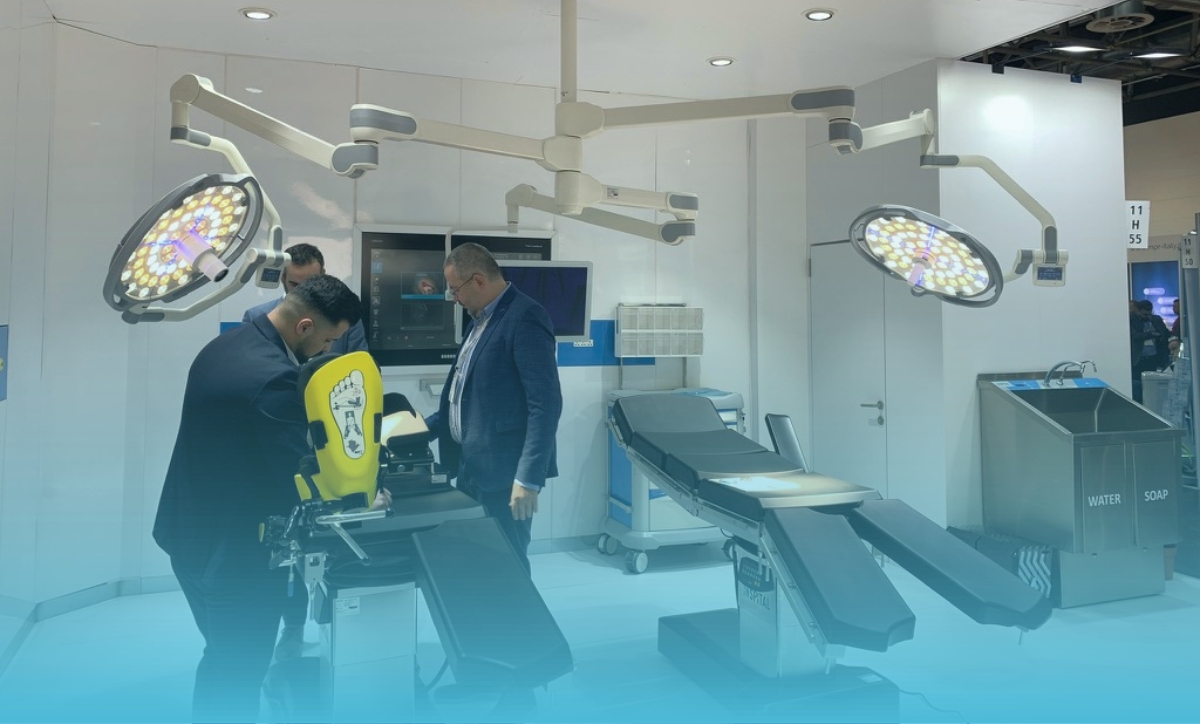
The requirements for an operating table vary greatly depending on the application—from large hospital ORs and smaller dental practices to specialized cosmetic clinics. Modern operating tables combine stability, flexibility, hygiene, and comfort, and must also be compatible with other medical devices such as surgical lights, monitors, or imaging systems.
This article provides an in-depth analysis of the different applications of operating tables. We look at the requirements in hospitals, dental practices, and cosmetic surgery, explain the differences in technology, ergonomics, and features, and provide a practical overview of the criteria that matter when making a selection.
Operating tables in hospitals – versatile systems for complex procedures
In traditional hospital ORs, the range of procedures is particularly broad—from routine operations to highly complex interventions in orthopedics, cardiology, or neurosurgery. The operating table is far more than just a surface; it is a technical system that stabilizes the patient, provides optimal access for surgeons, and supports the integration of various medical devices.
Modern operating tables for hospitals are highly modular. They feature electrically adjustable height, tilt, and sections for the back, legs, and head. This flexibility allows patients to be positioned in almost any required posture, making surgeons’ work easier while increasing patient safety. In addition, many systems allow imaging equipment such as fluoroscopy or X-ray units to be integrated directly without having to reposition the patient. This saves time, reduces risks, and improves surgical precision.
Another key aspect is ergonomics for medical staff. Operation is often via intuitive control panels or foot switches, allowing adjustments to be made quickly and without physical strain. At the same time, operating tables in hospitals must be especially robust. They not only support the patient’s weight, but must also remain stable when high forces are applied during surgery—for example in orthopedic procedures or when using surgical instruments.
Hygiene is a critical criterion. Tables must be easy to disinfect; surfaces must be smooth, resistant to disinfectants, and modularly removable to clean hard-to-reach areas. Many manufacturers use washable, seamless materials that simplify cleaning and minimize the risk of infection. Integrating accessories such as instrument holders, IV poles, or surgical lights is also essential in hospital ORs to optimize workflows and use space efficiently.
Finally, future-proofing is an important factor. Modern operating tables are designed to be adaptable and ready for new surgical techniques, digital imaging, or robotics. Investing in high-quality tables pays off in the long term, as they increase efficiency, improve patient comfort, and maximize safety in the OR. In summary, operating tables in hospitals are multifunctional all-rounders that play a central role in modern surgery.
Operating tables in dental practices – precision and ergonomics in a small space
In dentistry, the requirements for operating tables are significantly different from those in hospital ORs. Dental procedures focus on smaller interventions, often in limited space, where precision, stability, and patient ergonomics are crucial. The emphasis is less on supporting highly complex surgical systems and more on perfect patient positioning and the integration of specialized dental equipment.
Dental operating tables are compact, easy to move, and still stable enough to position patients safely in various postures. The table is often segmented particularly finely, as the head, neck, and upper body must be aligned precisely to give the dentist or oral surgeon the best possible view of the surgical field. Many tables feature adjustable headrests, backrests, and leg sections that allow millimeter-precise adjustment. A key advantage of modern dental operating tables is the integration of specialized equipment, such as X-ray units, intraoral cameras, suction systems, or monitor mounts. This integration enables staff to work efficiently during the procedure without having to reposition the patient multiple times. Combined with mobile or fixed surgical lights, this ensures optimal illumination and visibility of the oral and jaw area.
Hygiene is also a central issue in dental practices. Tables are made of materials that are easy to disinfect, often designed seamlessly to minimize the risk of germ buildup. At the same time, surfaces must be resistant to disinfectants, as dental procedures often take place at short intervals between multiple patients. Patient comfort is another important aspect. Especially for longer procedures such as implant placements or jaw surgery, it is crucial that the patient lies stable and comfortably. Many dental operating tables offer padded surfaces and ergonomic headrests that improve patient positioning while also making the dentist’s work easier.
Overall, operating tables in dental practices are optimized for precision, compact design, and integration of specialized equipment. They meet the highest requirements for ergonomics and hygiene while saving space and making practice workflows more efficient. They are essential for safe, precise, and comfortable dental care.
Operating tables in cosmetic surgery – flexibility and patient comfort in focus
Cosmetic surgery places unique demands on operating tables. Unlike hospital or dental ORs, patient comfort is a priority here alongside medical functionality. Many procedures are outpatient; patients are often awake or under light sedation, and the aesthetics of the operating area also play a role.
Operating tables in cosmetic surgery are therefore designed to be especially comfortable. They feature soft, ergonomically shaped surfaces, headrests that allow comfortable positioning, and individually adjustable sections for the back, legs, and arms. Electrically controlled tables allow quick adjustments during the procedure without having to reposition the patient. This is particularly important for procedures such as liposuction, breast surgery, or facial surgery, where different body areas must be optimally accessible. Flexibility is another key criterion. Cosmetic surgery includes a wide range of procedures, from minimally invasive treatments to extensive surgical interventions. Operating tables must therefore be easy to adapt to enable different positions and patient positioning. At the same time, they must be stable to safely absorb any patient movement.
Integration of equipment is also crucial here. Many tables are compatible with specialized surgical lights, monitors, and mounts for surgical accessories. Hygiene remains a central issue, as disinfection between patients must be quick and efficient. Seamless surfaces, robust materials, and easy cleaning options are therefore indispensable. The patient experience also plays a role. Many cosmetic clinics place value on ensuring the patient feels comfortable during the procedure. Comfortable padding, smooth movements of the table sections, and stable positioning help minimize stress and discomfort.
Overall, operating tables in cosmetic surgery combine medical functionality, flexibility, and patient comfort. They are tailored specifically to the needs of this field and enable safe, efficient, and patient-friendly performance of aesthetic procedures.
Selection criteria and comparison of applications – which operating table fits which needs?
Choosing the right operating table depends largely on the application, surgical requirements, and the specific needs of patients and staff. While hospital tables are designed for versatility, robustness, and integration of complex systems, dental operating tables stand out for precision, compact design, and finely adjustable sections. Cosmetic surgery tables also place additional emphasis on ergonomic comfort and aesthetic adaptability.
The following aspects should be considered when selecting a table:
- Flexibility and segmentation: How many sections are adjustable, and how precisely can the head, back, and legs be positioned?
- Electrical control: Are there programmable positions or remote-control options that make work easier?
- Accessory integration: Can surgical lights, monitors, imaging systems, or mounts be connected easily?
- Room size and mobility: Does the table fit the available space, or is a compact, mobile solution needed?
- Patient comfort: Are padding, headrests, and arm supports ergonomic and comfortable?
- Hygiene requirements: Are table surfaces easy to disinfect, and are materials washable and resistant to disinfectants?
A well-considered comparison of these criteria makes it easier to choose the right model and ensures the operating table meets the requirements of the respective specialty. This allows hospitals, dental practices, and cosmetic clinics to increase efficiency, safety, and patient satisfaction at the same time.
Conclusion: Operating tables as the centerpiece of modern medicine
Operating tables are indispensable in all areas of use—from hospitals and dental practices to cosmetic surgery. They have a major impact on the quality, efficiency, and safety of surgical procedures. While hospital tables are designed for versatility, robustness, and integration of complex systems, dental operating tables focus on precision, compactness, and ergonomics. Cosmetic surgery tables, in turn, place particular emphasis on patient comfort, flexibility, and aesthetic adaptability.
Choosing the right operating table therefore depends heavily on the application, the specific requirements of the procedures, and the needs of patients and staff. High-quality, modern systems pay off in the long term: they increase efficiency, make the medical team’s work easier, and ensure safety and comfort.
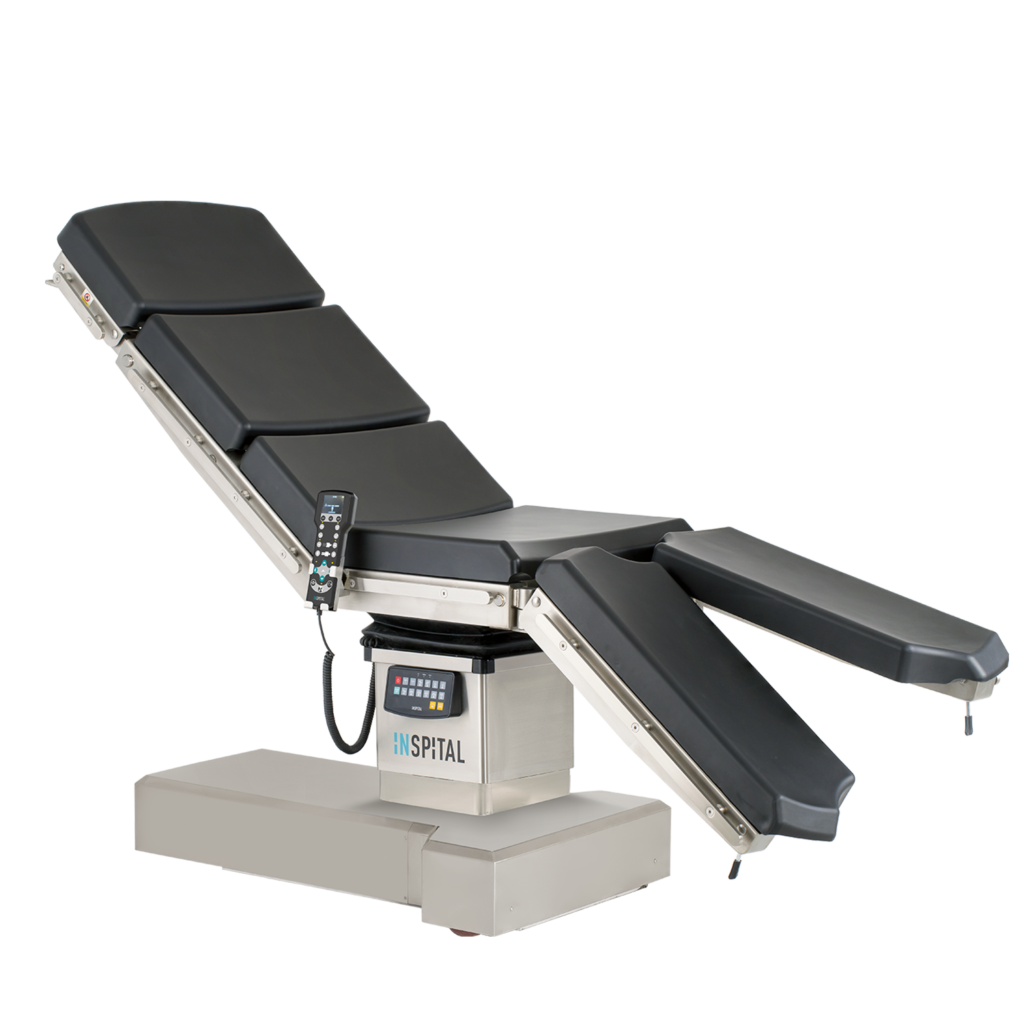
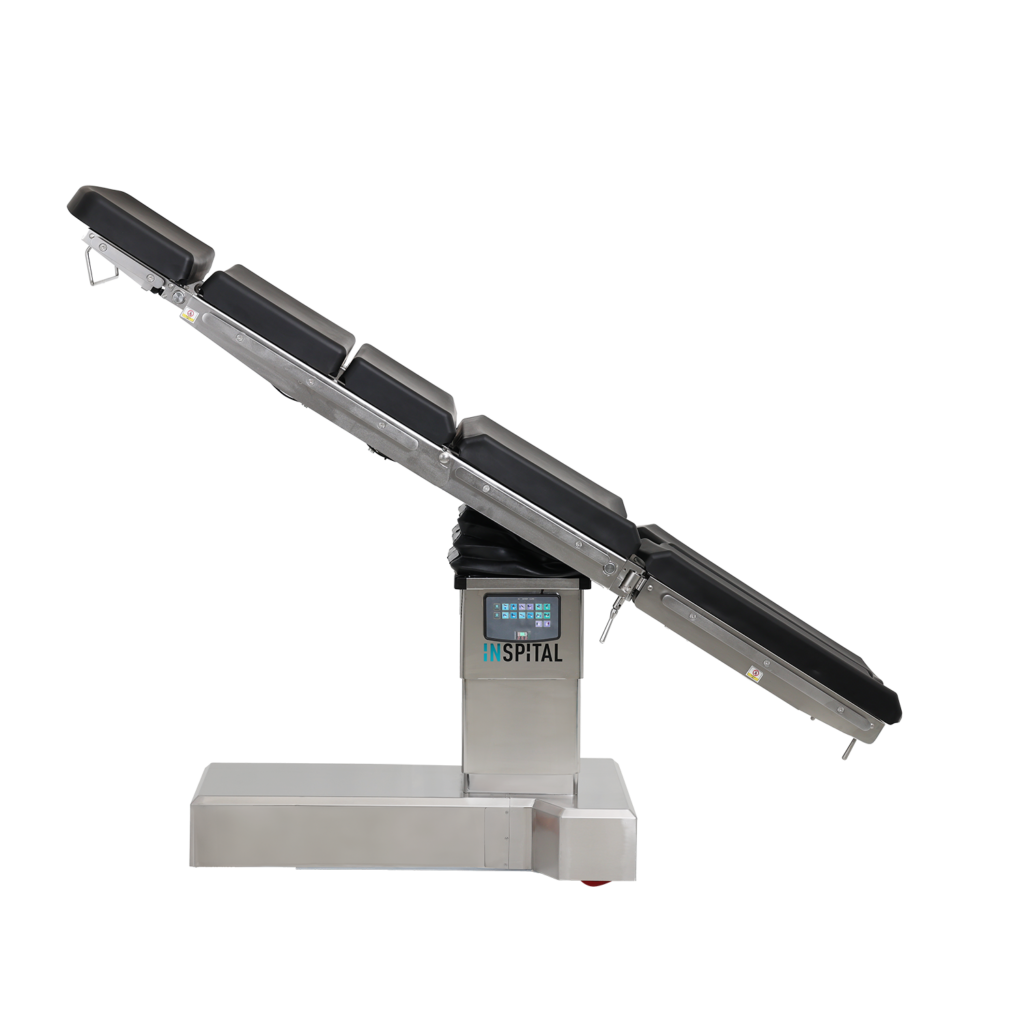
Operating Table OT80.20 NOVUS
Prices visible to registered customers only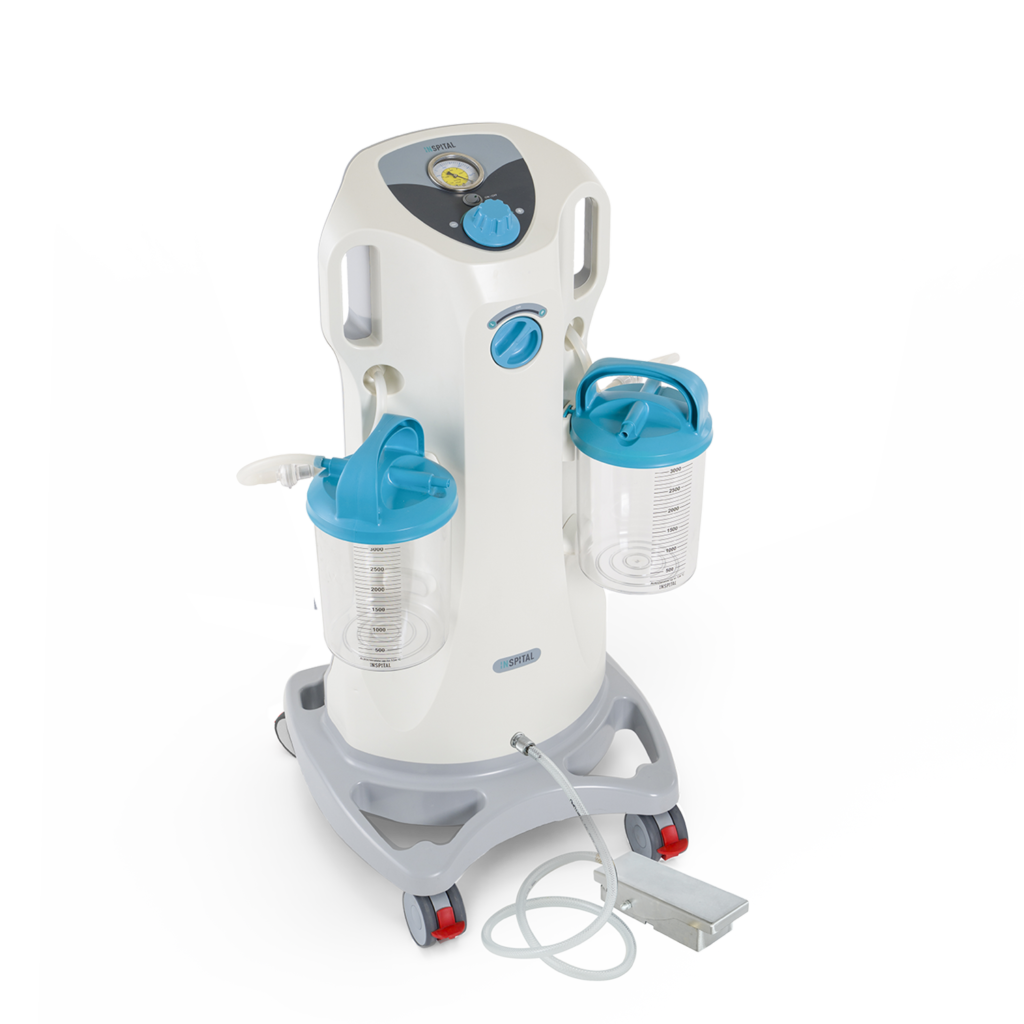
Surgical Suction Machine SU60.05
Prices visible to registered customers only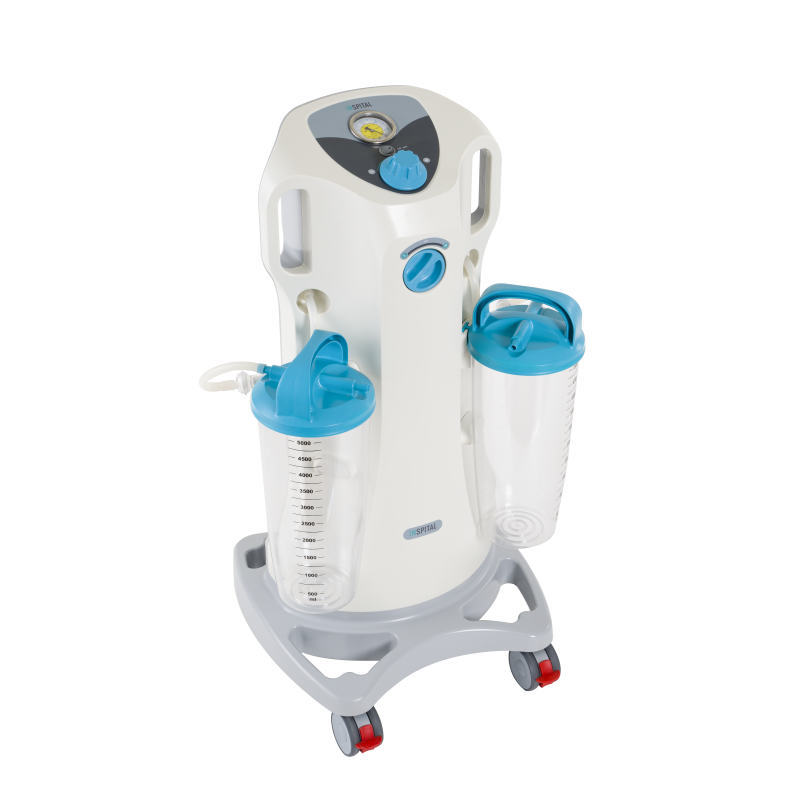
Surgical Suction Unit SU60.10
Prices visible to registered customers only
Surgical Suction Unit SU60.15
Prices visible to registered customers onlyCurrent News
- Current News, Hospital Management, Inspital Medical Technology

- Current News, Hospital Management, Inspital Medical Technology
- Current News, Hospital Management, Inspital Medical Technology

News Press
Here you will find current news about trade fairs, congresses, PR and other relevant topics.