


Surgical Lights Wall Mount – Sensible Solution or Compromise? A Comprehensive Guide to Modern OR Lighting
- Current News, Hospital Management, OR Light
Contents
Inadequate or inflexible illumination can not only impair the visibility of the surgical team but, in the worst case, also increase the risk of complications. Against this background, the choice of the right surgical light and its mounting method becomes enormously important.
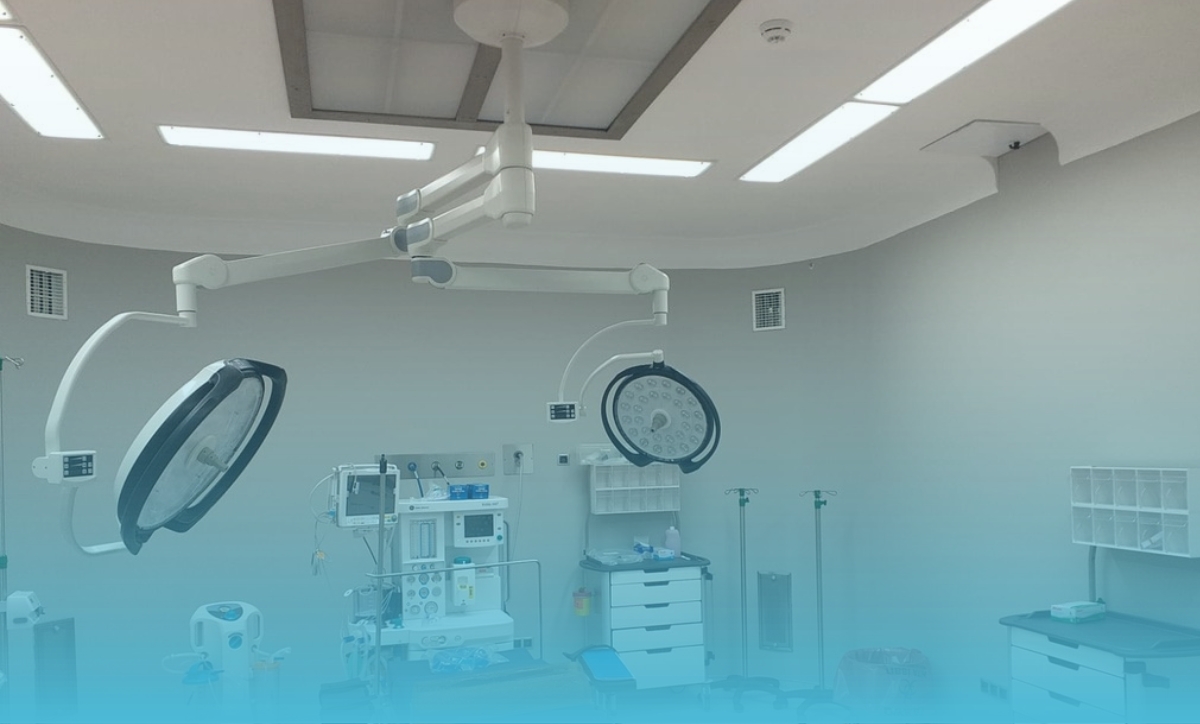
When planning new operating rooms or modernizing existing facilities, decision-makers often face the question: wall mount or ceiling mount? While wall-mounted surgical lights can be a practical and economical solution in certain situations, the development of modern operating environments clearly shows that ceiling-mounted systems are now the standard. This detailed article illuminates the differences between both variants, analyzes their respective advantages and disadvantages, and realistically and transparently assesses the role of manufacturers like Inspital. The goal is to create a well-founded basis for decision-making for hospitals, planners, and medical technicians.
Inspital GmbH: Manufacturer of Modern OR Technology with a Clear Focus
Inspital GmbH is an internationally active manufacturer of medical technology, specializing in the development and production of high-quality solutions for the operating room. The portfolio includes surgical lights, operating tables, and supply units, which are used worldwide in hospitals, clinics, and outpatient surgical centers.
A central aspect that is often misunderstood in practice is the company's role in the overall process: Inspital is exclusively a manufacturer and supplier of the products. This means that the company develops, produces, and distributes the systems, but is not responsible for on-site assembly or installation. This is usually carried out by specialized medical technology service providers, construction companies, or the technical department of the respective facility. This clear separation offers advantages: Inspital can fully concentrate on research, development, quality assurance, and technological innovation. This results in products that meet the high demands of daily OR operations and comply with international standards.
Inspital's surgical lights are based on modern LED technology and are designed to ensure optimal illumination with high energy efficiency. Key features include:
- homogeneous and uniform light distribution
- high color rendering for precise tissue differentiation
- reduced shadow formation through intelligent LED arrangement
- ergonomic operation and flexible positioning
- long-lasting components with low maintenance requirements
These technical features form the basis for high-performance surgical lighting – regardless of whether the light is wall-mounted or ceiling-mounted. Nevertheless, practice shows that the mounting method has a significant impact on how effectively these properties can be utilized.
Wall-Mounted Surgical Lights – Structure, Function, and Typical Use Cases
Wall-mounted surgical lights are fixed lighting systems where the support arm is directly attached to a wall. From there, the light head can be moved and positioned within a certain radius via a mechanical arm system. This design brings with it some constructive peculiarities. Since the entire load is borne by the wall, the structural conditions must be appropriate. At the same time, the range of motion of the light is limited by the position of the wall and the length and joint structure of the arm.
In practice, wall-mounted surgical lights are primarily used in the following scenarios:
- smaller procedure rooms with limited space
- outpatient facilities where less complex procedures are performed
- existing buildings where ceiling installation is not possible for structural reasons
- rooms where quick and cost-effective retrofitting is required
- supplementary light sources in combination with other lighting systems
Especially in older buildings or for temporary solutions, wall mounting can play an important role. It allows for functional and reliable lighting without extensive structural changes. However, it is important to realistically assess the areas of application: wall-mounted systems are generally not designed for highly complex surgical procedures that require maximum flexibility and precision.
Advantages of Wall Mounting – A Differentiated and Detailed Consideration
Wall mounting offers several advantages that make it a sensible solution, especially under certain conditions. However, these advantages primarily unfold in clearly defined application scenarios.
Easy integration into existing building structures
One of the biggest advantages of wall mounting lies in its comparatively easy integration into existing rooms. In many older clinics or medical facilities, the ceilings are not designed to accommodate modern support arm systems. Subsequent reinforcement of the ceiling can involve considerable costs and structural interventions. Wall mounting bypasses this problem by shifting the load to the wall. This often allows surgical lights to be installed much faster and with less effort. This is a decisive factor, especially during renovations or modernizations.
Economic advantages with limited budgets
In addition to technical aspects, economic efficiency also plays an important role. The installation of ceiling lights can incur additional costs for structural analyses, conversions, and assembly. Wall-mounted systems are often more cost-effective to implement as they require less complex structural measures. For smaller facilities or projects with limited budgets, this can be a decisive argument.
Functional solution for less complex procedures
Not every medical procedure requires the full equipment of a state-of-the-art operating room. In many cases – for example, during minor surgical interventions or examinations – solid and reliable lighting is sufficient. Here, wall mounting can represent a functional and adequate solution that meets the requirements without being oversized.
Limitations and Challenges of Wall Mounting in Modern ORs
As convincing as the advantages are in certain situations, the limitations in demanding daily OR operations are just as clear. These should definitely be considered during planning.
Restricted freedom of movement and flexibility
The biggest disadvantage of wall mounting is the limited mobility. Since the light is guided from a fixed wall position, its range of action is restricted. In complex surgical situations where precise alignment from various angles is required, this can lead to limitations.
Impairment of workflows
In a modern OR, several people often work on the patient simultaneously. Any restriction of freedom of movement can negatively affect efficiency and ergonomics. Wall arms can protrude into the work area and disrupt workflows.
Limited expansion options
The integration of additional components such as cameras, monitors, or further light heads is often only possible to a limited extent with wall-mounted systems. This can impair the future viability of the installation, especially in times of increasing digitalization in the OR.
Ceiling-Mounted Surgical Lights – Why They Have Become the Standard
Ceiling-mounted surgical lights offer a variety of advantages that make them the preferred solution in modern operating rooms. Their design allows for flexibility and performance that is difficult to achieve with wall solutions.
Unrestricted positioning and maximum mobility
Due to their ceiling mounting, these systems are not tied to a specific side of the room. The support arms can be moved freely and allow precise positioning of the light from almost any angle.
This is particularly important in complex procedures where lighting requirements may change during the operation.
Optimal lighting conditions under all circumstances
Modern LED surgical lights unleash their full potential in ceiling-mounted systems. Multiple light sources work together to ensure uniform and shadow-free illumination – even in deep or hard-to-reach surgical fields.
Improved hygiene and clear room structure
A clear floor and no obstructive wall arms contribute to better hygiene. Cleaning and disinfection are easier to perform, and the risk of contamination is reduced.
High modularity and future-proofing
Ceiling lights can be easily expanded and adapted to new requirements. They can be combined with camera systems, monitors, or other components, making them ideal for modern, digitized OR environments.
Ergonomics and efficiency in daily OR operations
The ability to position the lights flexibly and intuitively supports the natural workflows of the surgical team. This reduces physical strain and increases efficiency – a factor that plays a major role in daily operations.
LED Technology as the Basis of Modern Surgical Lighting
A key factor for the performance of modern surgical lights is LED technology. It has fundamentally changed lighting in the medical field and offers numerous advantages over older technologies.
These include, among others:
- high light intensity with low energy consumption
- excellent color rendering for precise diagnoses
- minimal heat generation in the surgical field
- long lifespan and low maintenance costs
- constant light quality without flickering
Manufacturers like Inspital specifically rely on this technology to develop powerful and reliable products that meet the high demands in the OR.
When is Wall Mounting Still Sensible?
Despite the clear advantages of ceiling lights, there are situations where wall mounting can be the right decision. This is especially true when external conditions limit the choice.
Typical examples include:
- structural limitations that make ceiling installation impossible
- smaller rooms with limited space
- temporary facilities or mobile solutions
- supplementing existing lighting systems
In these cases, a wall-mounted surgical light can be an economical and functional solution. However, it is important to realistically assess the requirements and not compromise patient safety.
Conclusion: Clear Recommendation for Ceiling Solutions in Modern ORs
The analysis clearly shows that while wall-mounted surgical lights have their justification, they are in most cases a solution for specific requirements.
For modern operating rooms where flexibility, precision, hygiene, and future-proofing are paramount, ceiling-mounted systems are the significantly better choice. They offer:
- maximum freedom of movement
- optimal lighting conditions
- better integration of modern technologies
- higher ergonomics
- long-term investment security
Inspital GmbH, as a manufacturer, provides the technological foundations for both variants, enabling medical facilities worldwide to choose the appropriate solution for their individual requirements.
In conclusion:
Wall mounting is a sensible option under certain conditions – but anyone who wants to make an OR powerful and future-proof in the long term should clearly opt for ceiling-mounted surgical lights.
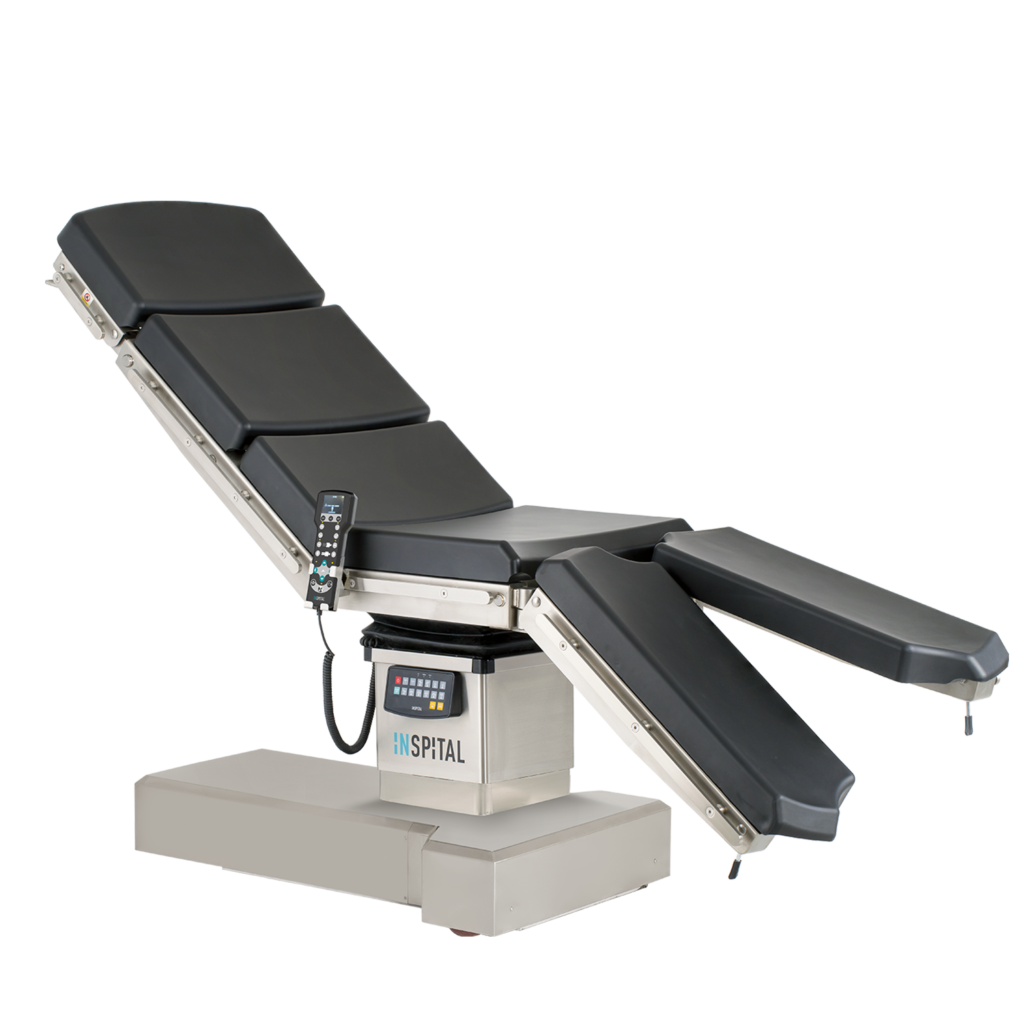
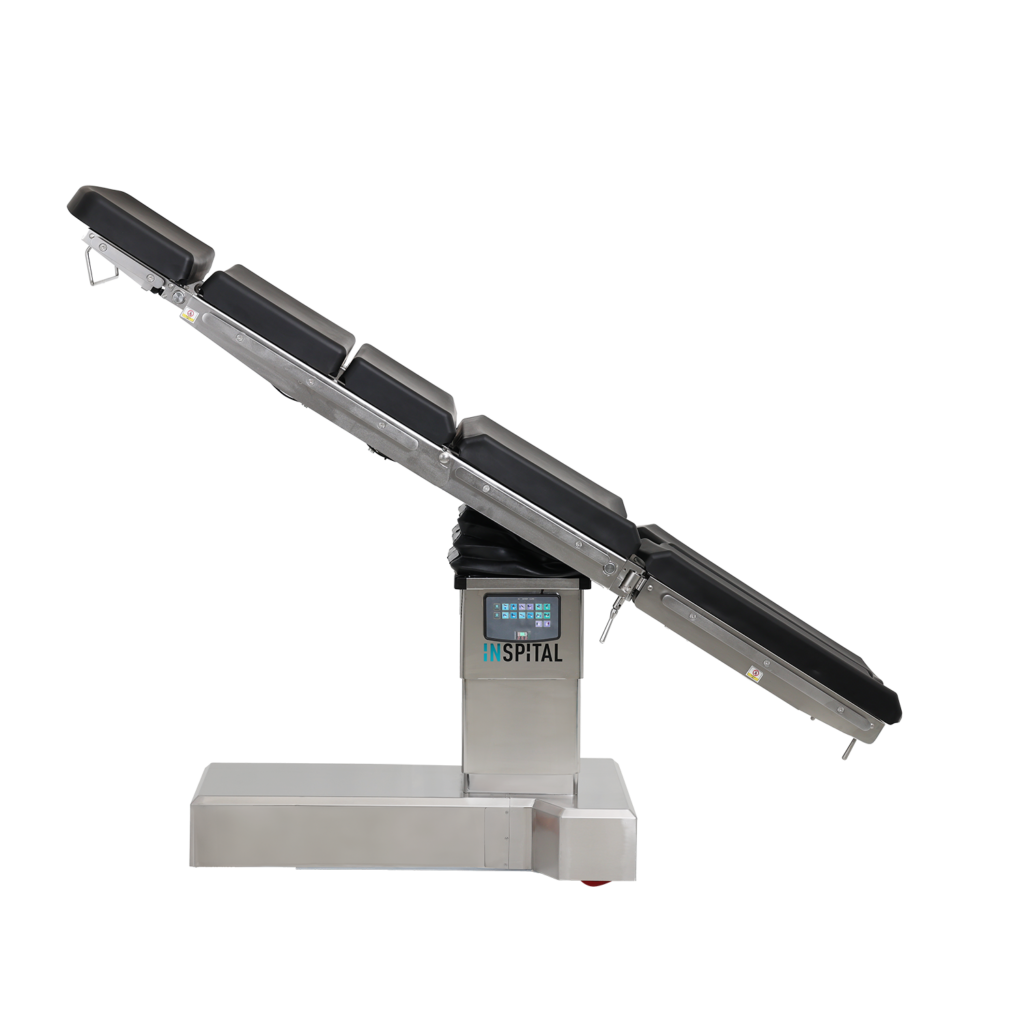
Operating Table OT80.20 NOVUS
Prices visible to registered customers only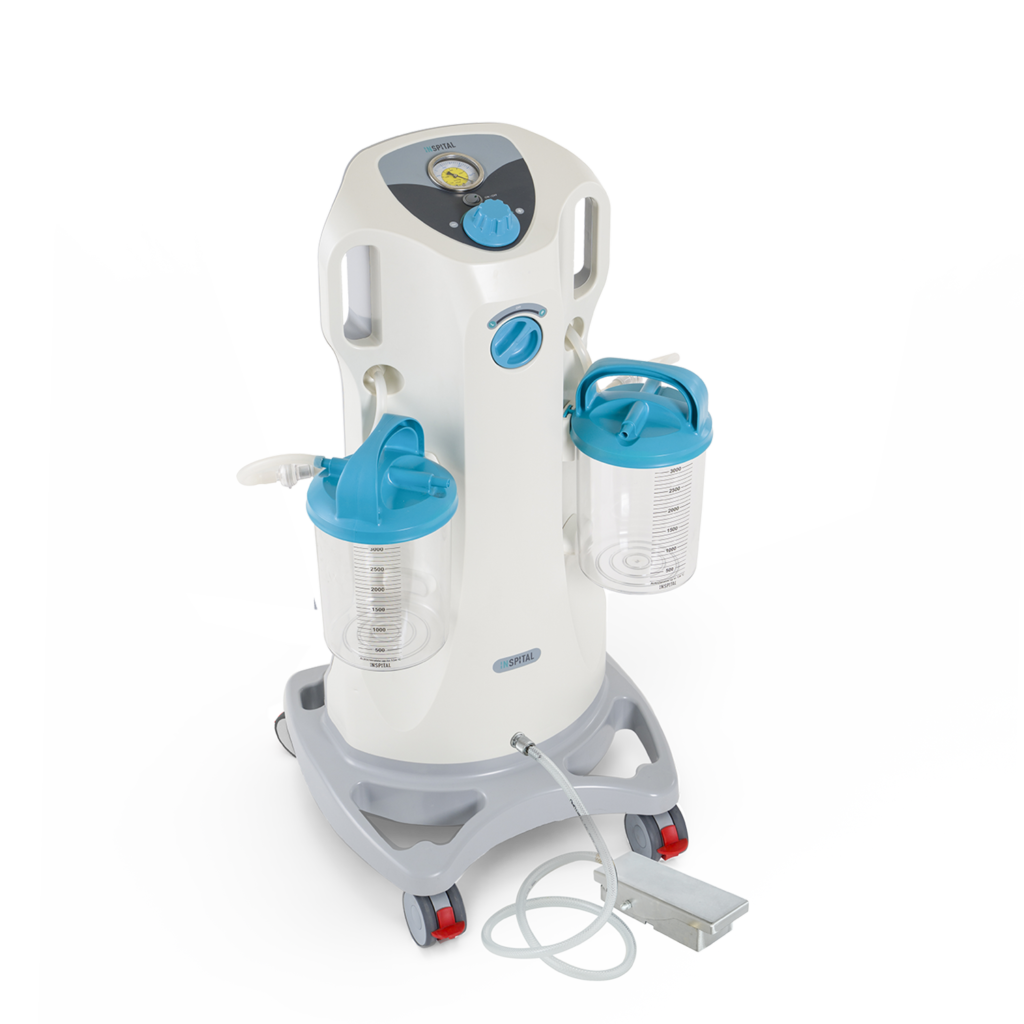
Surgical Suction Machine SU60.05
Prices visible to registered customers only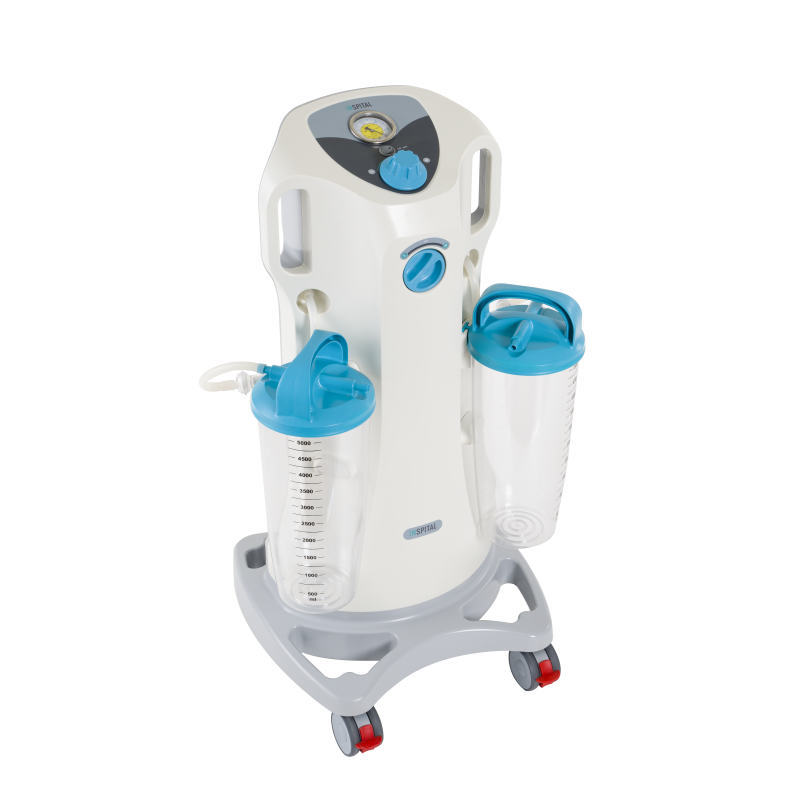
Surgical Suction Unit SU60.10
Prices visible to registered customers only
Surgical Suction Unit SU60.15
Prices visible to registered customers onlyCurrent News
- Current News, Hospital Management, Inspital Medical Technology

- Current News, Hospital Management, Inspital Medical Technology
- Current News, Hospital Management, Inspital Medical Technology

News Press
Here you will find current news about trade fairs, congresses, PR and other relevant topics.