Securing straps and positioning aids for operating tables: Why they’re essential
- Current News, Inspital Medical Technology, OR Light
Contents
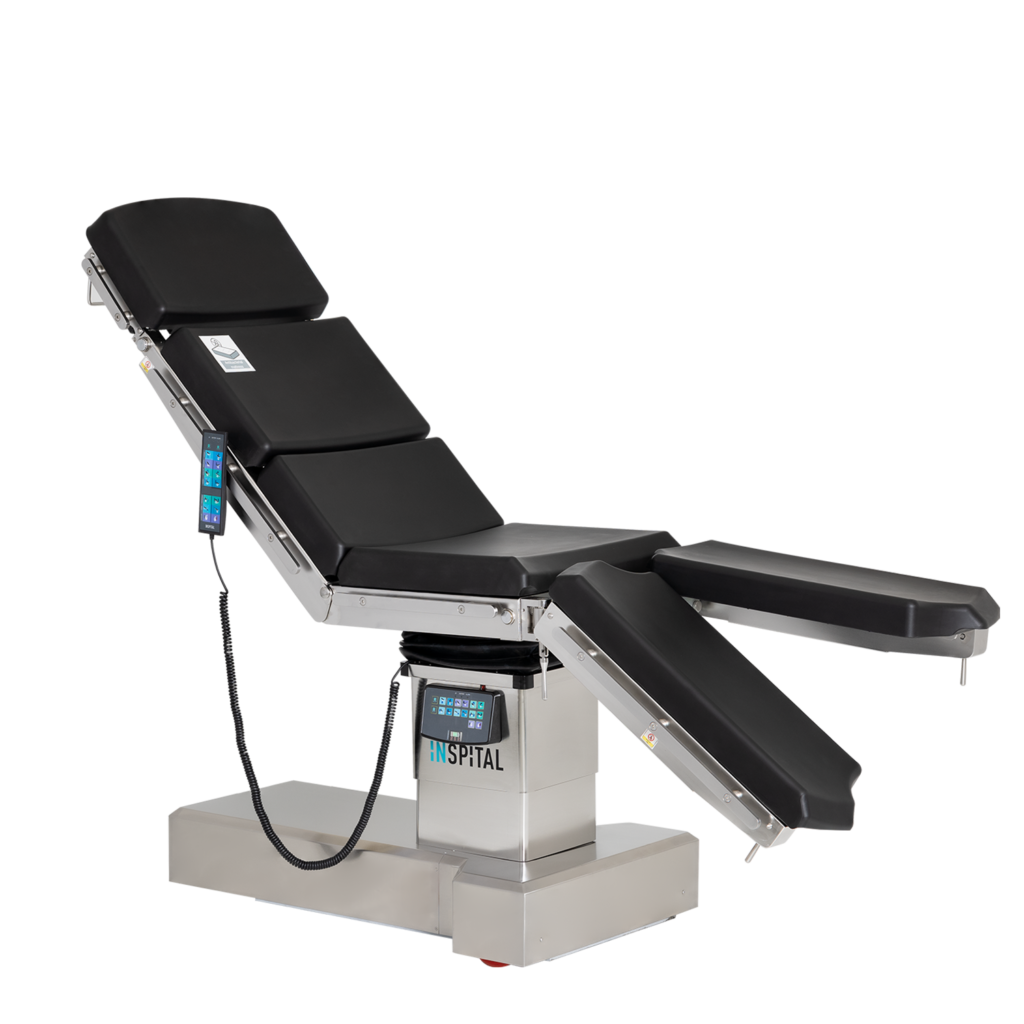
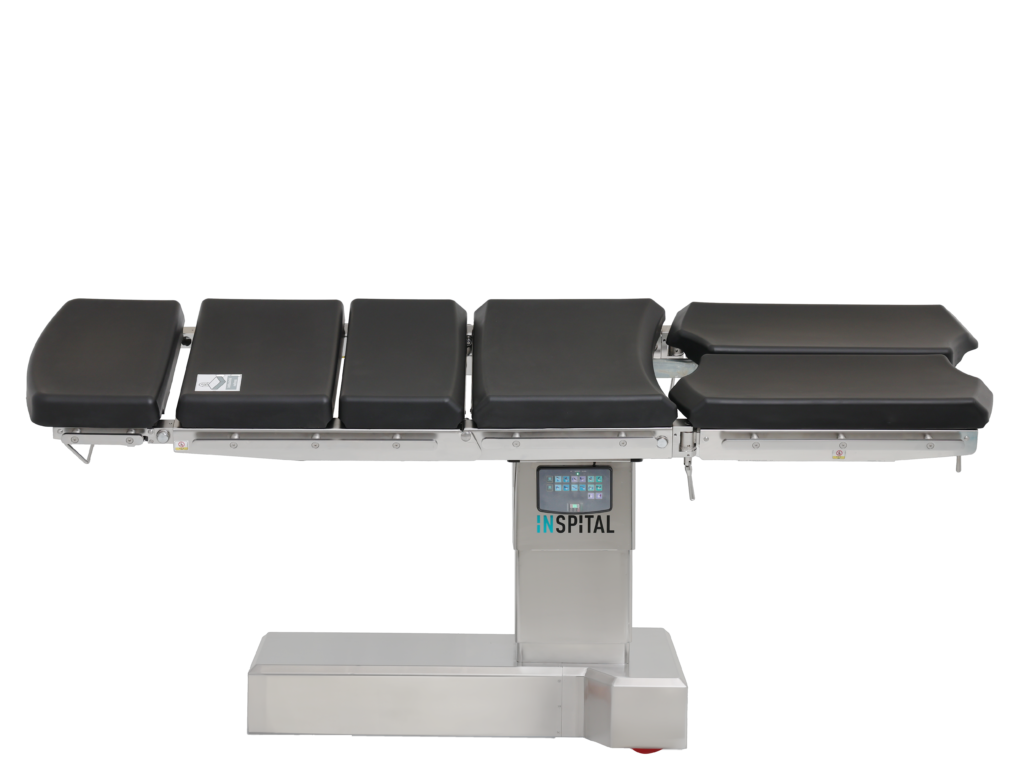
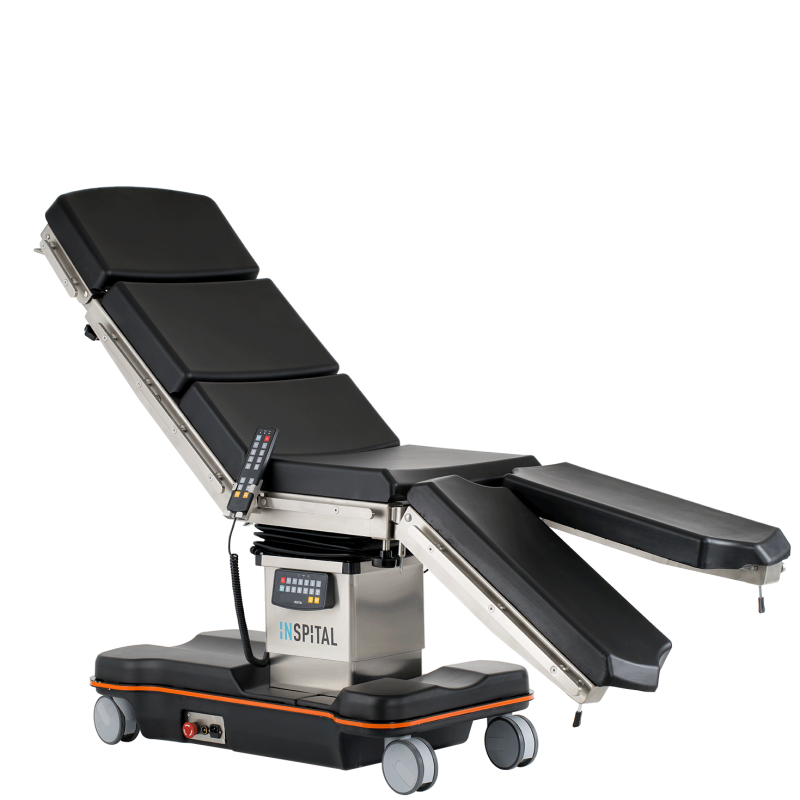
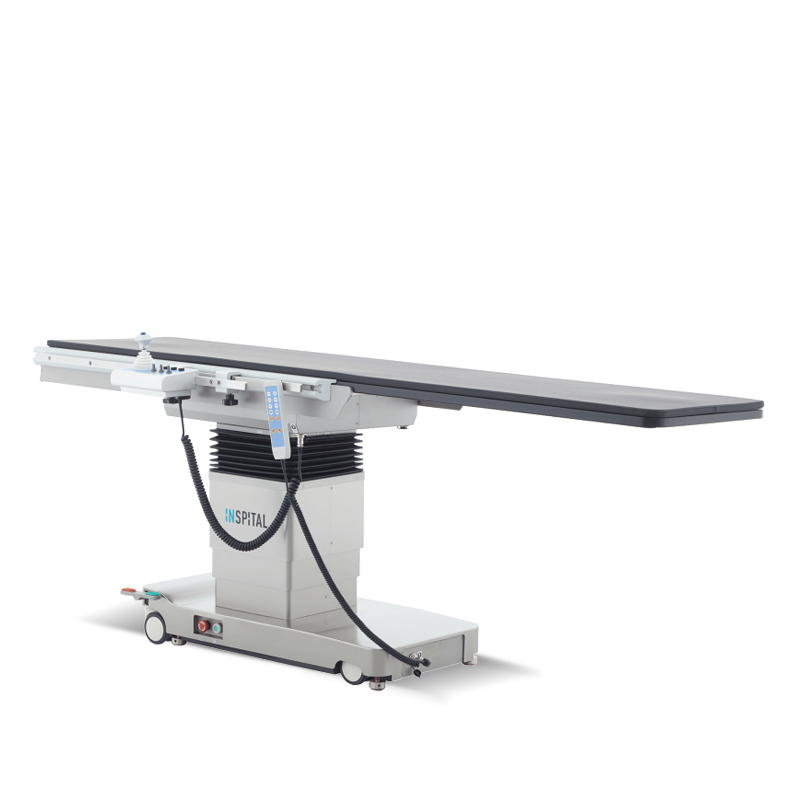
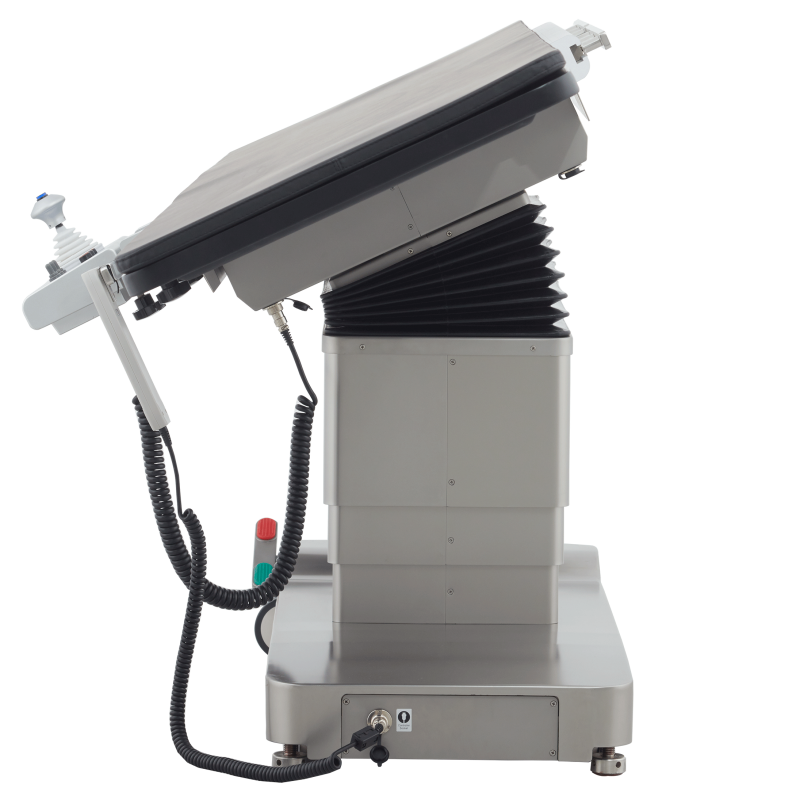
They ensure patients remain stable during lengthy procedures, prevent unintended movement, and enable the OR team to work ergonomically and safely. Especially for medical students and hospital planners, this is an often underestimated topic, because choosing the right positioning aids can directly impact patient safety, procedure time, and postoperative complications. For B2B medical technology distributors, it quickly becomes clear: these products are not just accessories, but strategic investments in quality and safety. Modern securing straps combine stability with flexibility and are designed so they do not place unnecessary strain on the patient. Positioning aids such as cushions, pads, and headrests also provide pressure relief and ergonomic positioning of the extremities. Companies such as Inspital GmbH develop these systems with clinical requirements, ergonomic standards, and regulatory specifications in mind. A securely fixed patient is not only a factor in precision, but also in accident prevention in the OR—an aspect that must be considered in every training program and planning process.
Function and importance of securing straps in the OR
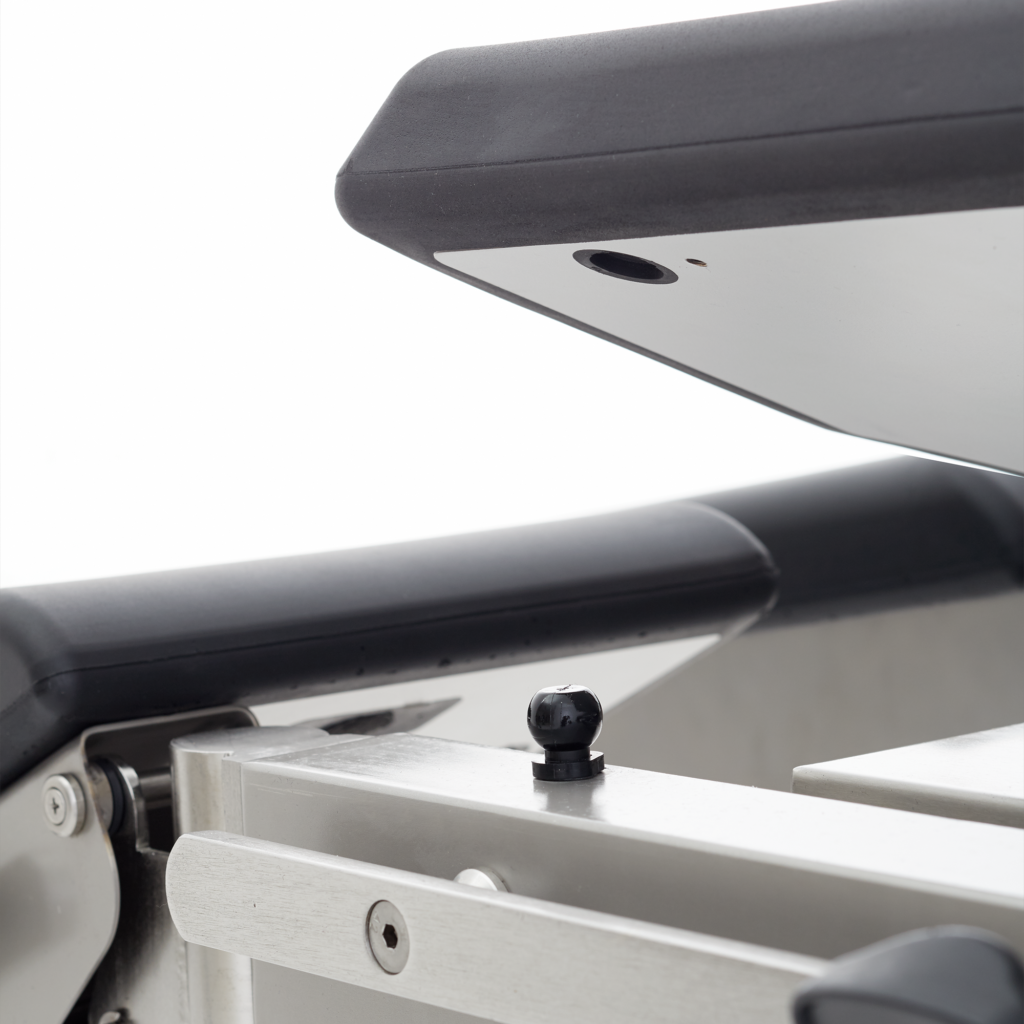
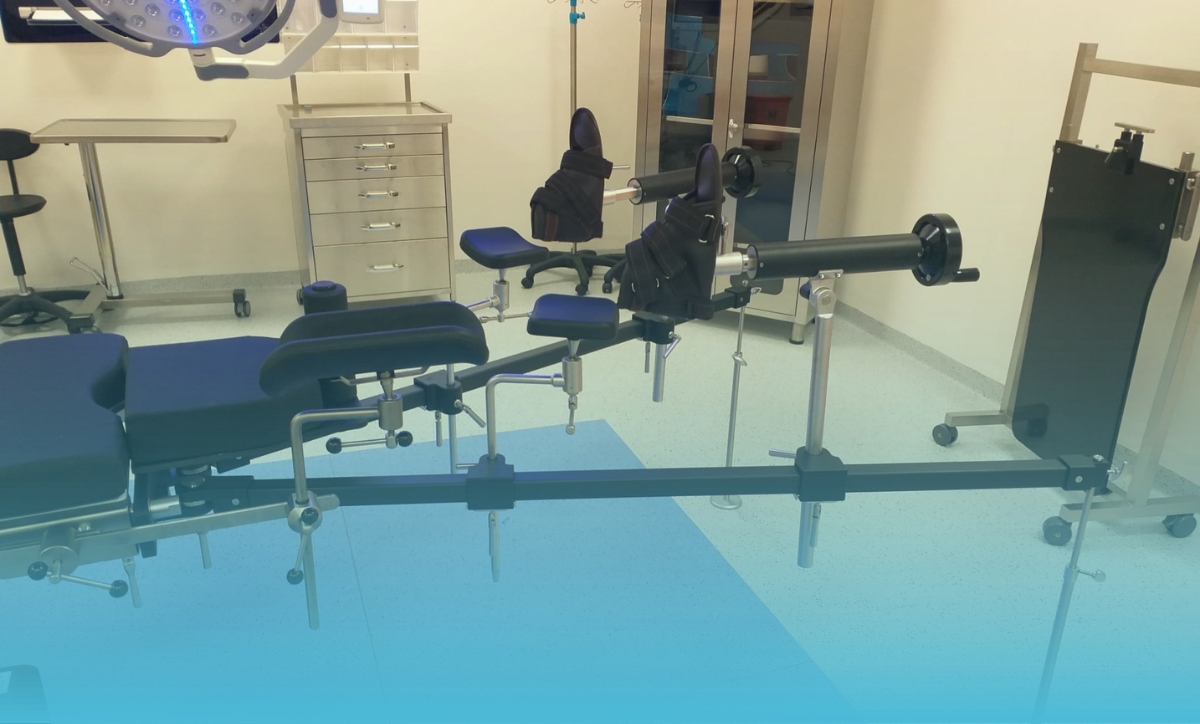
Securing straps for operating tables fulfill several key functions. They ensure patients remain stable in the desired position, even during long and complex procedures that require various table movements. At the same time, they prevent slipping or uncontrolled twisting, which is crucial for both patient safety and the OR team’s ergonomics. Modern strap systems are made of robust yet flexible materials that are easy to clean and resistant to disinfectants. The width and placement of the straps are adjusted to the patient to avoid pressure points and not impair circulation. Especially in orthopedics, neurosurgery, or cardiac surgery—where patient positioning is complex and individualized—securing straps play a decisive role. For medical students, this shows how small tools in the background can significantly contribute to the quality of a procedure. For hospital planners and B2B distributors, it’s clear: a good strap system reduces risks, simplifies positioning, and supports compliance with standards. Inspital GmbH develops strap solutions that can be adapted modularly, are suitable for different table types, and meet the highest safety and hygiene standards. These systems are durable, low-maintenance, and help the OR team keep their full focus on the procedure without having to worry about patient stability.
Positioning aids: pads, cushions, and supports
In addition to securing straps, positioning aids are essential for positioning patients comfortably and safely. These include pads, cushions, headrests, and special wedges that enable pressure-free positioning and ergonomic alignment of the extremities. This is particularly important for procedures lasting several hours to prevent pressure ulcers, circulatory disorders, or nerve injuries. Positioning aids are available in a range of materials, from viscoelastic foam and gel pads to dimensionally stable plastic supports. They can be individually adapted to the body shape while offering an easy-to-disinfect surface. For the OR team, this simplifies handling and positioning, especially for complex positions such as lateral, prone, or specialized orthopedic positions. For B2B customers, this means that selecting the right positioning aids is crucial for patient safety, satisfaction, and long-term clinical quality. Inspital GmbH develops positioning aids that can be combined flexibly, are modular in design, and offer maximum comfort without compromising stability. For medical students, it becomes clear how important the combination of straps and positioning aids is for smooth OR workflows—a factor that is often overlooked, but forms the basis for precision and safety.
Correct positioning: ergonomics and patient safety
Correct positioning on the operating table is more than comfort—it is a key factor for patient safety and OR quality. Securing straps and positioning aids must be placed so that they keep the patient stable while avoiding pressure points, circulatory disorders, or nerve compression. At the same time, the OR team must always have full access to the surgical field and be able to work ergonomically. This reduces fatigue, increases precision, and prevents uncontrolled movements during critical procedures. Modern systems are therefore modular, flexible, and easy to handle. For hospitals and B2B distributors, it becomes clear that investing in high-quality positioning systems increases efficiency, safety, and patient satisfaction in the long term. Inspital GmbH combines ergonomic padding, stable fixation, and flexible adjustment options in its solutions, so surgeons always have optimal conditions regardless of patient size and procedure type. For medical students, this is a practical example of how technical aids in everyday OR work have a direct impact on safety and outcome quality.
Operating table: hygiene, maintenance, and materials
In the OR, hygiene is non-negotiable. Securing straps and positioning aids must be made of disinfectant-resistant materials that are easy to clean and also durable. Pads and cushions must be designed so that fluids or germs cannot penetrate. Modular systems make maintenance and replacement of individual components easier, extending service life and reducing operating costs. B2B customers see a clear added value here: hygienic, durable, low-maintenance systems save time, effort, and costs in the long run while increasing patient safety. Inspital GmbH develops securing and positioning systems based on exactly these principles. Materials and surfaces are tested to meet the requirements of modern ORs. This enables hospitals to ensure patients are positioned securely, hygiene requirements are met, and the OR team can work efficiently.
Integration into modern OR environments
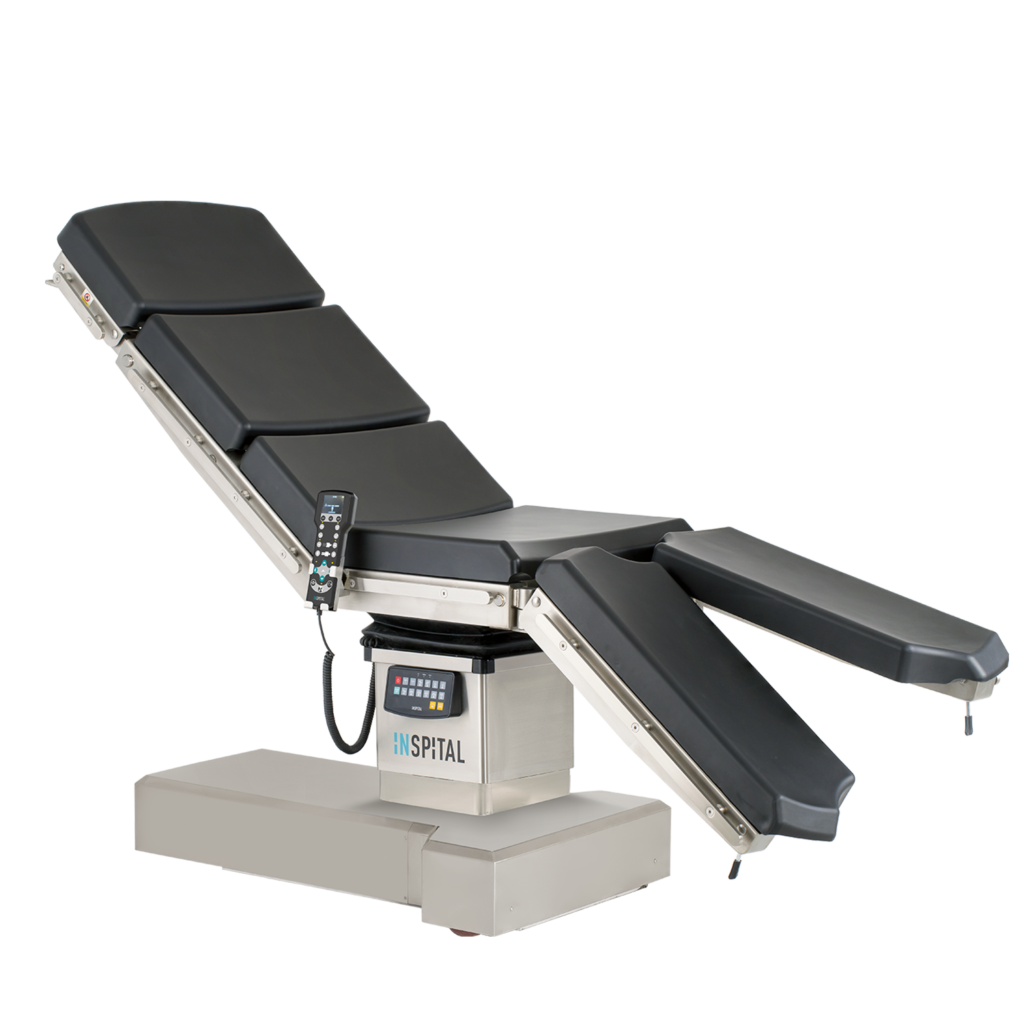
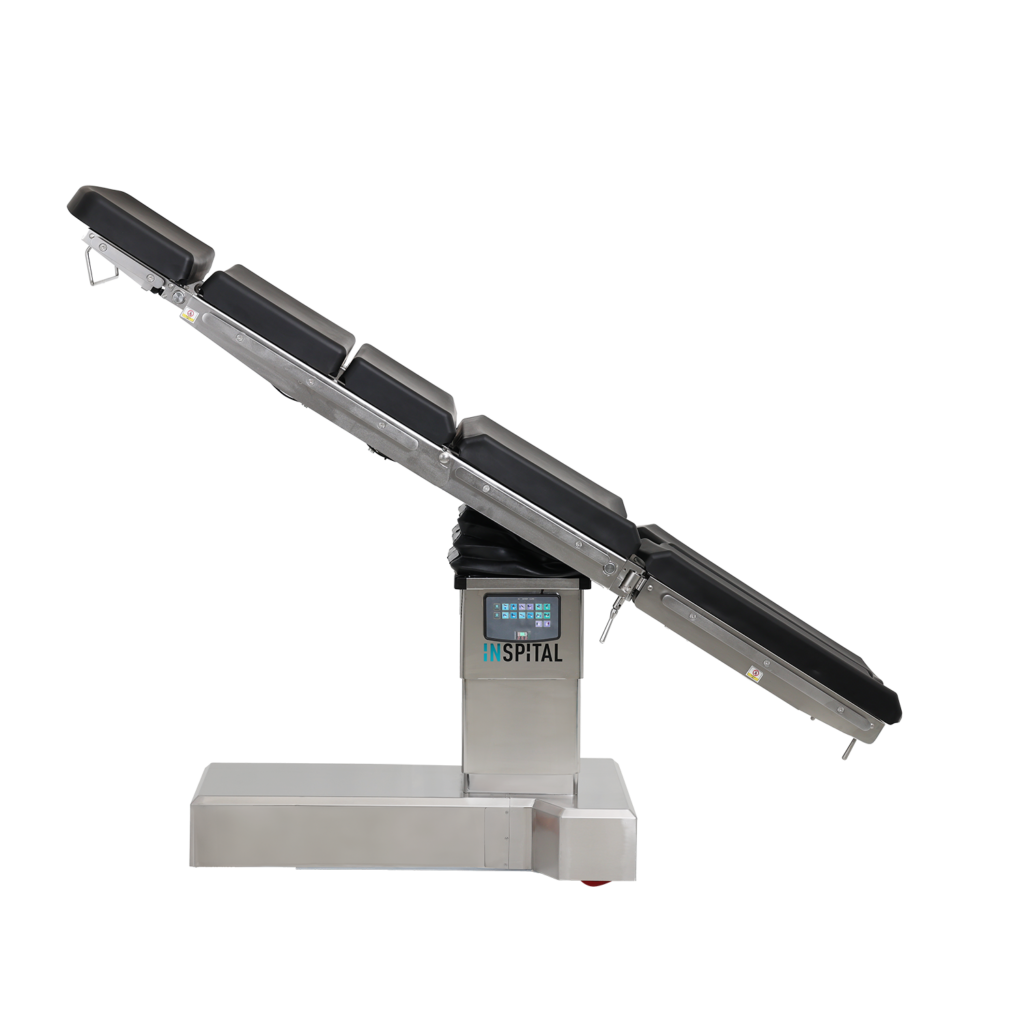
Today’s ORs are digitalized, networked, and often designed for flexible procedures. Securing straps and positioning aids must integrate seamlessly into this environment. Modular systems that can be adapted to different table models enable flexible use and make retrofitting for new surgical techniques easier. Digital controls for tables and positioning systems can store positions and repeat them at the push of a button, reducing errors and increasing efficiency. Inspital GmbH develops products tailored precisely to these requirements. B2B customers benefit from future-proof solutions that evolve alongside advances in OR technology. For medical students, this is a practical example of how technology, ergonomics, and safety work together to create optimal surgical conditions.
B2B perspective: purchasing criteria and investment strategy
For B2B customers such as hospitals, medical wholesalers, or operators of surgical centers, purchasing securing straps and positioning aids is not only a technical decision, but a strategic investment. Key criteria include not only functionality and ergonomics, but also certifications, ease of maintenance, flexibility, and service offerings. Systems should be modular to adapt to different operating table models and procedure types. At the same time, durable materials, easy cleaning and disinfection, and high resistance to mechanical stress are essential. Premium systems also offer added value such as digital interfaces to table controls or programmable positioning settings that make day-to-day work in the OR more efficient. Inspital GmbH delivers precisely such well-thought-out solutions that maximize patient safety while optimizing hospital operations. For B2B distributors, it becomes clear that a strategic approach to purchasing not only saves costs, but also increases quality, OR team satisfaction, and patient safety in the long term. A well-founded selection is based on analyzing clinical requirements, ergonomic standards, material quality, and technical integration. The result is a solution that performs reliably in any OR scenario and sustainably safeguards the investment.
Conclusion: indispensable helpers in the OR
Securing straps and positioning aids are far more than simple accessories. They are key elements that significantly influence patient safety, ergonomics, and surgical quality. From stable fixation and ergonomic positioning to hygienic, maintenance-friendly design: modern systems meet the highest requirements and become integral components of a digital, flexible OR environment. Companies such as Inspital GmbH develop solutions that combine all of these factors and support hospitals and B2B distributors in creating optimal, safe, and efficient working conditions. For medical students, this provides a clear insight into how technology and medicine interact; for hospital managers and purchasers, it is a strategic decision that guarantees quality and safety in the long term.
Operating Table OT80.20 NOVUS
Prices visible to registered customers onlyOperating Table OT80.20
Prices visible to registered customers onlyOperating Table OT80.25
Prices visible to registered customers onlyMobile Carbon Fiber Operating Table for Imaging Procedures C-Arm Imaging Table OT80.30
Prices visible to registered customers onlyCurrent News
- Cleaning Cart, Current News, Inspital Medical Technology
- Current News, Inspital Medical Technology, OR Light
News Press
Here you will find current news about trade fairs, congresses, PR and other relevant topics.